


Why Every Family Should Build a Smart Food Supply
Most families never think about food storage until they wish they had. A power outage, a storm, a job loss, a supply chain hiccup, or even a busy season of life can make it hard to keep the pantry stocked. Having a well planned supply of food at home is not about fear. It is about comfort. It is about security. It is about knowing your family can stay steady when life gets unpredictable.
Building a home food supply is simple once you understand what to store, how much to keep, and how to protect it so it lasts. With a little planning, any household can create a pantry that supports health, stability, and peace of mind.
Why Families Should Keep Food on Hand
1. Emergencies Happen Without Warning
Most emergencies are small. A snowstorm hits. A long power outage shuts down stores. Roads close. Flooding blocks access. In these moments, having a supply of food is the difference between calm and stress. You are not scrambling. You are not waiting in long lines. You are not hoping stores still have what you need.
Even in a longer-term emergency such as a pandemic or war, if you have sufficient food storage you will get by.
Your family eats well, sleeps well, and stays collected.
2. A Food Supply Protects You During Financial Swings
Job changes, rising prices, unexpected bills, or a temporary cut in hours can make grocery budgets feel tight. When you have stored essentials, you have breathing room. Your food supply becomes a cushion. It gives your family time to adjust without panic.
This is one of the most practical reasons to store food. It creates stability in unstable times.
3. Less Last Minute Shopping Saves Money
A stocked pantry helps you avoid rushed grocery trips where impulse purchases pile up. When you already have ingredients on hand, you cook more, waste less, and spend wisely. Families with stored staples tend to save money over time because they buy in bulk, plan ahead, and avoid overpriced emergency ingredients.
4. Home Food Storage Encourages Better Eating Habits
When nutritious foods are always available, it becomes easier to cook at home and harder to reach for highly processed options. Beans, whole grains, canned vegetables, homemade mixes, and simple ingredients help families build healthier meals without stress.
5. It Builds Confidence and Reduces Household Stress
There is a calm that comes from knowing you have enough. A stocked pantry is one of the simplest ways to create that calm. It sends a message to every family member: we are prepared, we are steady, and we can handle whatever comes.
What Foods Are Best to Store
A smart food supply does not rely on exotic items. It uses everyday foods that are shelf stable, nutritious, versatile, and easy to rotate.
Below are the best categories to focus on.
1. Grains
Grains form the backbone of long term food storage. They are filling, easy to cook, and affordable.
Good options include:
- Wheat
- White rice
- Oats
- Pasta
- Quinoa
- Barley
- Flour (all purpose or bread)
- Cornmeal
White rice and oats store especially well for long periods when kept dry and cool.
2. Beans and Legumes
Beans offer protein, fiber, and nutrients that keep families full and energized.
Store:
- Black beans
- Pinto beans
- Lentils
- Chickpeas
- Split peas
- Canned beans for quick meals
Dried beans last longer, but canned beans are unbeatable for convenience.
3. Canned Vegetables and Fruits
These provide vitamins and color during emergencies or busy seasons. Choose items your family will actually eat.
Good options:
- Tomatoes
- Corn
- Green beans
- Peaches
- Pears
- Applesauce
Canned foods last years when stored properly.
4. Proteins
Protein is often the hardest part of food storage, but there are plenty of reliable options.
Keep:
- Canned chicken
- Canned tuna and salmon
- Nut butters
- Powdered milk
- Powdered eggs
- Shelf stable tofu
- Nuts and seeds
These help round out meals and boost nutrition.
5. Fats and Cooking Basics
Healthy fats support long term energy and flavor. Staple ingredients like powdered milk and egg powder provide extra nutrition and allow more cooking choices.
Store:
- Olive oil
- Coconut oil
- Shortening
- Ghee
- Shelf stable butter powder
- Sugar
- Baking powder
- Baking soda
- Yeast
- Salt
Also keep a supply of spices and herbs. These turn simple ingredients into real meals.
6. Ready to Eat Foods
Sometimes you need a quick option.
Consider:
- Canned soups
- Instant potatoes
- Shelf stable milk
- Crackers
- Granola bars
- Rice mixes
These come in handy during power outages or moments when cooking is difficult.
7. Comfort Foods
Food is emotional. During stressful times, small comforts matter.
Keep items like:
- Hot chocolate
- Drink mixes
- Baking mixes
- Chocolate chips
- Simple treats
These help keep spirits up when life feels heavy.

How to Store Food for Maximum Shelf Life and Nutrition
Storing food is not complicated. The key is to protect it from the things that break it down: heat, moisture, oxygen, and pests.
Below is a clear guide to making your food last as long as possible.
1. Store in a Cool, Dark, Dry Place
Heat shortens shelf life more than anything. Aim to keep your food supply in a room between 50 and 70 degrees if possible. A basement, pantry, or closet usually works well.
Avoid:
- Garages
- Attics
- Direct sunlight
- Damp areas
Cool and dry is the goal.
2. Use Airtight Containers for Grains and Beans
Original packaging is rarely designed for long storage. Use airtight containers to keep insects and moisture out.
Best options:
- Mylar bags with oxygen absorbers
- Food grade buckets
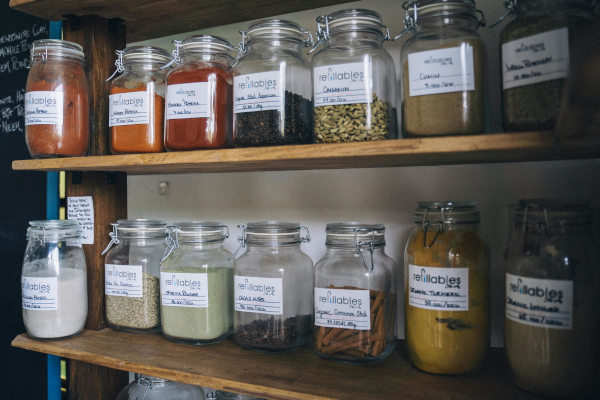
- Glass jars
- Heavy duty plastic containers
Label each container with the contents and date.
3. Rotate Your Supply Regularly
The goal is to store what you eat and eat what you store. Rotation keeps your pantry fresh without waste.
Use the simple rule: First in, first out.
When you buy new items, place them behind the older ones.
4. Check Your Pantry Twice a Year
A quick inspection helps you catch anything that needs attention.
Look for:
- Damaged cans
- Leaks
- Broken seals
- Moisture
- Signs of pests
This takes minutes but protects months of food.
5. Keep Oils in Smaller Containers
Oils go rancid faster than most foods. Store them in cool places and buy them in smaller bottles so you open them more often and waste less.
6. Use Oxygen Absorbers for Long Term Storage
If you plan to store grains, beans, or flour for several years, oxygen absorbers are worth using. They remove air inside containers and help prevent spoilage.
7. Freeze Flour and Grains First if You Can
Freezing for a few days kills any tiny eggs from pantry pests before you store the food long term. After freezing, let the container return to room temperature before sealing it.
8. Keep a Written Inventory
A simple list prevents overbuying and helps you track what you actually use.
Include:
- Item
- Quantity
- Expiration or packing date
- Notes
This keeps your food storage organized and predictable.
Learn to Use Your Stored Food
It isn’t enough just to have a food supply; you need to know how to use it and make it palatable for your family. Studies have shown that some children will literally starve themselves to death rather than eat foods they are unaccustomed to.
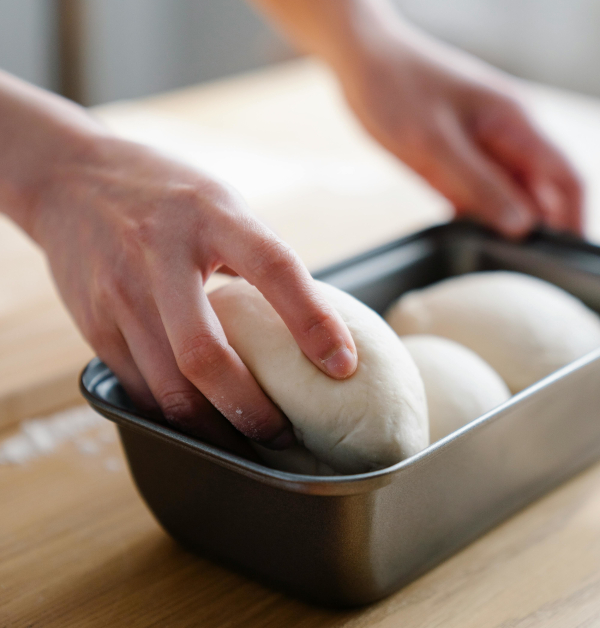
As you rotate your food storage, incorporate the older products into your family’s daily diet. Learn to bake your own bread, make soups from scratch, and properly rehydrate dried foods. These skills may literally be lifesaving in a time of crisis.
A Family Food Supply Builds Peace of Mind
Storing food is not about preparing for the worst. It is about supporting your family’s best. A well stocked pantry gives you confidence, reduces stress, cuts costs, and helps you stay calm when life throws surprises your way.
Every family can build a steady supply with small steps. Start with a few staples. Add a little each week. Focus on foods you already enjoy. Protect them with good storage habits. Over time, your pantry becomes a quiet source of strength in your home.